Blog

All Mend Roofing Service Roof Inspections Commercial Roofing Gutter Installation Katy Roofing Service Roof Insurance
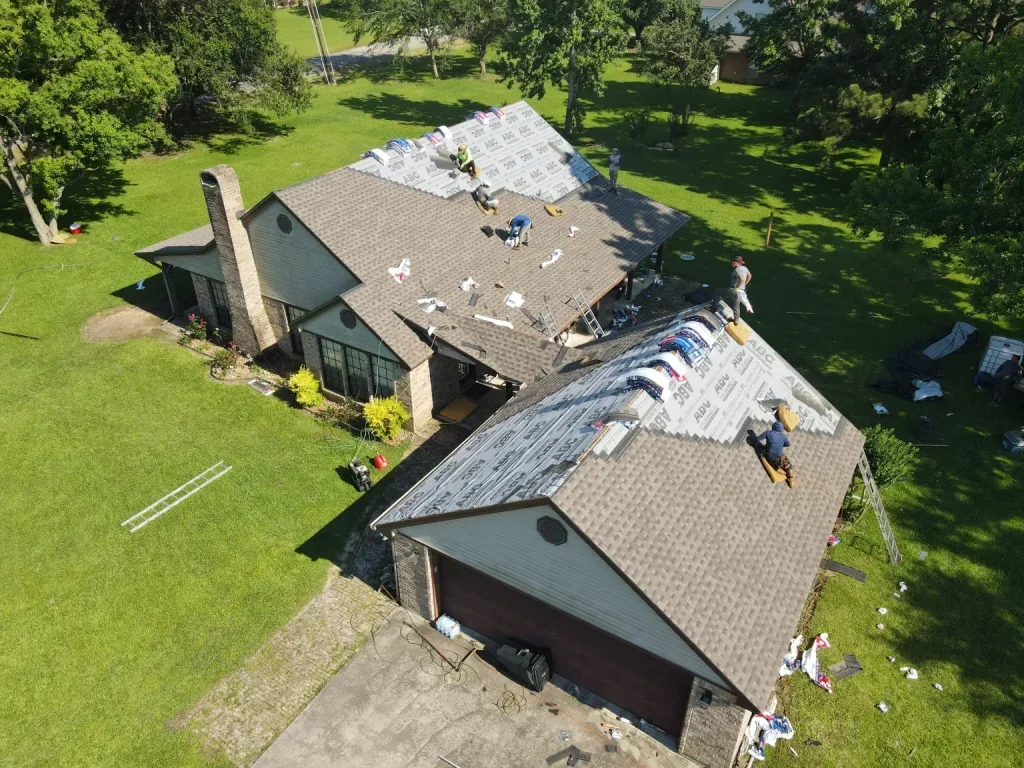
roof damage from a hurricane in Katy, Texas
in Roof Inspections

Signs Your Roof May Not Be Ready for Hurricane Season

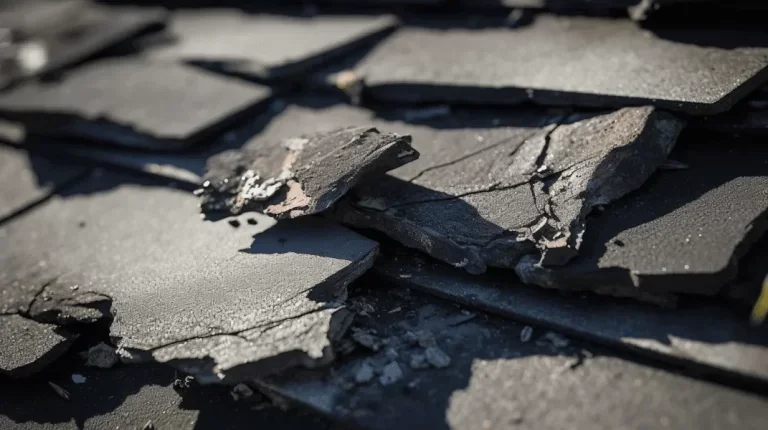
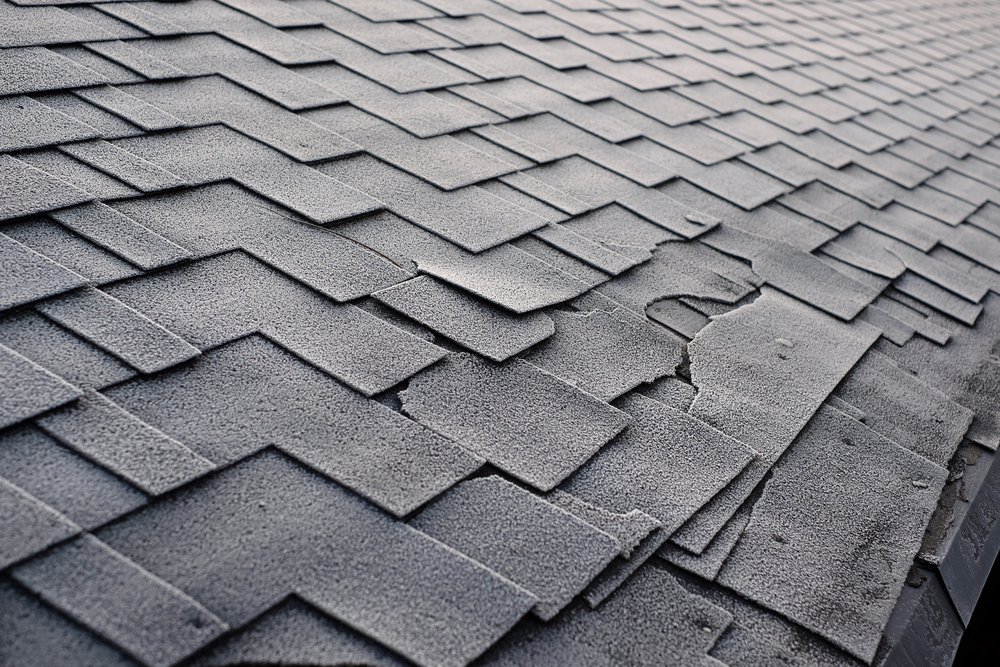
TL;DR: Common signs that a roof may not be ready for hurricane season include missing shingles, cracked or curling shingles, damaged flashing, granule loss, sagging areas, and water stains. Scheduling a roof inspection before hurricane season allows a qualified roofing professional to identify these issues before severe weather arrives. Every hurricane season, Texas homeowners are reminded of just how much their roof matters. High winds, heavy rainfall, and tropical storms can test even a well-maintained roofing system—and for roofs that already have underlying problems, the results can be far more serious. For homeowners in Katy, TX, this is not a hypothetical scenario. The greater Houston area sits in a region that sees frequent tropical weather activity, and properties here face real exposure to storm damage year after year. The time to evaluate your roof is before a storm develops—not after it makes landfall. That's why scheduling a roof inspection before hurricane season is one of the most practical steps a homeowner can take. A qualified roofing professional can assess the condition of your roof, identify concerns you may not be able to see from the ground, and help you understand what repairs, if any, are needed. Mend Roofing works with homeowners across Katy, TX and surrounding areas to do exactly that. more Why Should You Inspect Your Roof Before Hurricane Season Begins? Roofing problems rarely appear out of nowhere. In most cases, storm damage is made significantly worse by issues that already existed before the storm arrived. A small gap in flashing, a few missing shingles, or a patch of deteriorating material can become a serious liability when strong winds and heavy rain hit. A roof inspection before hurricane season gives you the opportunity to catch these vulnerabilities early—when they're far easier and less costly to address. Waiting until after a storm causes damage often means dealing with interior water intrusion, structural concerns, and a much larger repair bill. Don't let preparation take a back seat until the season is already underway. Signs Your Roof May Not Be Ready for Hurricane Season What Do Missing Shingles Mean for Your Roof's Protection? Missing shingles are one of the most visible signs that a roof needs attention. When shingles are absent, the underlying decking and materials are left exposed to the elements. During heavy rain, that exposed area can allow water to penetrate the roof system and cause damage to the structure, insulation, and interior of the home. Missing shingles can result from previous wind events, poor installation, or simply aging materials. Regardless of the cause, missing shingles should be evaluated and repaired before storm season begins. A professional can confirm whether targeted repairs are sufficient or whether the surrounding area shows additional signs of wear. How Do Cracked, Curling, or Damaged Shingles Affect Storm Performance? Shingles that are cracking, curling at the edges, or visibly deteriorating are telling you they're losing their ability to perform. These conditions typically indicate that the shingles have aged beyond their effective lifespan, have been exposed to temperature extremes, or were compromised by a prior storm. During high-wind events, shingles in this condition are at greater risk of lifting or being torn away entirely. Once that happens, the rest of the roof becomes vulnerable quickly. Cracked and curling shingles warrant a professional evaluation to determine whether repairs or broader replacement are the appropriate path forward. Why Does Damaged Flashing Lead to Roof Leaks? Flashing is the metal material used to seal roof penetrations—around chimneys, skylights, vents, and where the roof meets walls or other structures. When flashing is loose, corroded, or improperly sealed, these junctions become potential points of water entry. This is a particularly common source of leaks, yet it's easy to overlook without getting up on the roof. During a heavy rainfall event, water can work its way through even a small gap in flashing and cause damage that isn't immediately visible from inside the home. A roofing inspection before hurricane season should always include a close look at all flashing areas. What Does Granule Loss Tell You About Your Roof's Condition? Asphalt shingles are coated in granules that protect the underlying material from UV exposure and weathering. As shingles age, those granules begin to loosen and wash off. You may notice them collecting in gutters or around downspouts. Some granule loss is normal over time. But if you're seeing large accumulations, or if your shingles appear bare or patchy in certain areas, that's a sign the protective layer is significantly depleted. Shingles in this condition are more susceptible to damage when exposed to the heat, wind, and driving rain that accompany tropical weather. Should Sagging Areas on a Roof Be Evaluated Before Storm Season? Any visible sagging in your roofline deserves professional attention. Sagging can indicate a range of underlying conditions—from moisture damage in the decking to more significant structural concerns. It's not possible to determine the cause or extent of the issue without a proper inspection. What's clear is that a sagging roof is not in a position to handle additional stress from wind loads or heavy rain. Identifying and addressing the issue before hurricane season is the responsible course of action. What Are the Signs of Water Damage or Active Roof Leaks? Water stains on ceilings, damp areas in attic spaces, peeling paint near rooflines, or musty odors are all potential indicators of moisture intrusion. In some cases, a slow leak may have been present for some time before it becomes noticeable inside the home. Active leaks should be addressed promptly and should not be left unresolved heading into storm season. What starts as a minor drip can quickly escalate when significant rainfall pushes water through an already compromised area. What Does a Roof Inspection Before Hurricane Season Actually Cover? A thorough pre-season roofing inspection performed by a qualified professional should evaluate: Shingles and roofing materials — condition, coverage, signs of aging or damage Flashing — all sealed joints, penetrations, and transitions Roof penetrations — vents, skylights, and other features that interrupt the roof surface Gutters and drainage — capacity, attachment, and proper water flow away from the structure Visible signs of water intrusion — staining, moisture, or damaged decking Roof edges and eaves — fascia, soffit, and drip edge condition Overall roofing system integrity — a holistic assessment of how the roof is likely to perform under stress The value of a professional inspection is that it goes well beyond what a homeowner can assess from the ground. Trained eyes identify conditions that aren't immediately obvious and can help prioritize what needs attention before storm season arrives. Why Should Homeowners in Katy, TX Prepare Their Roofs Before Hurricane Season? Katy, TX sits in the path of weather systems that can bring sustained high winds, significant rainfall totals, and tropical storm conditions—sometimes with very little warning. Homes in this area may experience multiple significant weather events within a single season. Proactive roof maintenance is the most reliable way for Katy, TX homeowners to reduce their exposure to preventable storm damage. Identifying and repairing vulnerabilities before severe weather arrives means you're not scrambling for emergency repairs during the busiest and most stressful period of the storm season. How Should You Prepare Your Roof for Hurricane Season? A practical hurricane roof preparation checklist includes: Schedule a professional roofing inspection before the season begins Repair or replace any missing shingles identified during the inspection Address any flashing concerns at penetrations, edges, and transitions Clear gutters and downspouts to ensure proper drainage during heavy rain Check the attic and interior for any signs of existing moisture or leaks Trim any tree branches near the roofline that could become a hazard in high winds Document your roof's current condition with photographs before storm season The right preparation steps depend on your roof's specific condition. A professional assessment helps you prioritize where attention is most needed. When Is Roof Repair Not Enough? In some cases, a roof inspection reveals that the cumulative condition of the roofing system—whether due to age, repeated prior damage, or widespread deterioration—makes targeted repairs a short-term solution at best. Factors such as extensive shingle failure across multiple areas, persistent leaks despite prior repairs, or a roof approaching or past its expected service life may warrant a conversation about replacement. A professional evaluation is always the starting point for that conversation. No homeowner should feel pressured into a replacement decision without a clear, honest assessment of the roof's actual condition. Get Your Roof Ready With Mend Roofing Mend Roofing serves homeowners throughout Katy, TX with professional roofing inspections, repairs, and replacements. If you have concerns about your roof's readiness for the upcoming storm season, the time to act is now—before severe weather is in the forecast. Contact Mend Roofing to schedule an inspection and get a clear picture of where your roof stands heading into hurricane season. Get a Roofing Estimate Before Hurricane Season Not sure what roof repairs or replacement might cost? Mend Roofing makes it easy to take the first step. Request a roofing estimate using satellite imagery to get an instant estimate for your roof—no pressure, no obligation. Don't Wait for Storm Damage to Tell You What Your Roof Needed The most common warning signs—missing shingles, cracked or deteriorating materials, compromised flashing, granule loss, sagging, and water intrusion—are all conditions that a professional inspection can identify before they become serious problems. For Katy, TX homeowners, a roof inspection before hurricane season is one of the most straightforward ways to protect your home and reduce your risk ahead of severe weather. Mend Roofing is here to help you get there. Reach out today and give your roof the attention it deserves before storm season arrives. Frequently Asked Questions How many times a year should a homeowner in Katy, TX schedule a roof inspection? Most roofing professionals recommend scheduling an inspection at least once a year, with an additional inspection following any significant weather event. For homeowners in Katy, TX, a pre-season inspection before hurricane season is particularly valuable given the area's exposure to tropical weather systems. What is the difference between roof repair and roof replacement, and how do I know which one I need? Roof repair addresses specific, isolated damage—such as missing shingles, a small leak, or damaged flashing—while replacement involves removing and reinstalling the full roofing system. A professional inspection is the most reliable way to determine which option is appropriate for your roof's current condition. How long does a roof inspection typically take? A standard residential roof inspection generally takes between 45 minutes and a few hours, depending on the size and complexity of the roof. The inspector will assess all major components and provide a summary of any findings. Does homeowners insurance typically cover hurricane-related roof damage? Homeowners insurance policies often cover roof damage caused by wind, hail, or other storm events, though coverage terms vary by policy. Documenting your roof's condition before storm season—and completing any deferred maintenance—can support the claims process if damage does occur.

Read More
Mend Roofing helps with roofing insurance claims in Texas.

Insurance Claims and Roof Repairs After a Severe Storm

After a severe storm, Texas homeowners should prioritize safety, document all visible roof damage with photos and videos, review their homeowners insurance policy, and contact their insurer promptly. A professional roof inspection from a qualified roofing contractor can provide documentation that supports the claims process and helps determine whether repair or full roof replacement is needed. Texas weather is unpredictable. One afternoon the sky is clear, and by evening a severe thunderstorm rolls through with hail the size of golf balls, damaging everything in its path—including your roof. What happens next matters. The steps you take immediately after a storm can protect your home from further damage and make the insurance claims process considerably smoother. more Understanding how to file insurance claims for roof repairs after a storm doesn't have to feel overwhelming. With the right documentation, a clear process, and a trusted roofing professional by your side, you can approach the situation with confidence. This guide walks you through everything you need to know—from your first steps after the storm to navigating the insurance adjuster visit and deciding between roof repair and full replacement. What Should I Do Immediately After a Severe Storm? Your first priority is safety. Before stepping outside to inspect your property, make sure the storm has completely passed and there are no downed power lines or structural hazards nearby. Once it's safe, here's what to do: Stay on the ground. Do not climb onto the roof yourself. A visual inspection from the ground is enough to spot visible issues like missing shingles, damaged gutters, or debris. Take photos and videos right away. Capture everything you can see—damaged siding, dented vents, broken gutters, and any interior water intrusion. Time-stamp your documentation if possible. Prevent further interior damage. If water is actively entering your home, place buckets or tarps to minimize the spread—provided it's safe to do so. Keep any damaged materials rather than discarding them. Schedule a professional roof inspection. A licensed roofing contractor can identify damage that isn't visible from the ground, including issues with flashing, underlayment, and structural integrity. Prompt action protects your home and creates a clearer record for your insurance claim. How to File Insurance Claims for Roof Repairs After a Storm Filing a roof insurance claim can feel daunting, but breaking it into clear steps makes the process much more manageable. 1. Document the damage. Before making any calls, photograph and video everything. Capture wide shots of the roof, close-ups of damaged areas, and any interior water damage or staining. 2. Review your homeowners insurance policy. Locate your declarations page and understand your coverage limits, deductible, and any exclusions related to storm damage. Look for terms like "ACV" (Actual Cash Value) vs. "RCV" (Replacement Cost Value), as these affect your payout. 3. Contact your insurance provider. Report the damage and begin the claims process as soon as possible. Most insurers have a dedicated claims line or online portal. Note your claim number and the name of your claims representative. 4. Schedule an adjuster inspection. Your insurer will send an insurance adjuster to assess the storm damage. This visit is critical—make sure you're present and have your documentation ready. 5. Obtain a professional roofing inspection. Having an independent roof inspection report from a licensed roofing contractor—ideally before or shortly after the adjuster visit—can provide valuable supporting documentation for your claim. 6. Review the claim decision. Once your insurer processes the claim, you'll receive an estimate for covered repairs or replacement. Review it carefully. If you believe the assessment is incomplete, you have the right to request a re-inspection or work with your contractor to dispute specific line items. 7. Schedule repairs once approved. After your claim is settled, contact your roofing contractor to begin the repair or replacement work. What Documentation Can Strengthen a Roof Insurance Claim? Organized, thorough records give your claim the best possible foundation. Here's what to gather: Photos and videos of the damage, taken as soon as it's safe Date and time of the storm, including any news reports or weather alerts confirming the event Professional roof inspection report from a licensed roofing contractor Repair estimates from one or more qualified roofing professionals Previous maintenance records that show your roof was in good condition before the storm Your homeowners insurance policy and declarations page All correspondence with your insurance company, including emails, claim numbers, and notes from phone calls Keeping these records organized in one place—digital or physical—saves time and reduces stress throughout the claims process. What Types of Storm Damage Are Typically Covered by Homeowners Insurance? Texas storms bring a range of hazards, and homeowners insurance policies commonly cover damage caused by: Hail damage — dents in metal flashing, cracked or bruised shingles High wind damage — lifted, curled, or missing shingles Fallen tree limbs — punctures or structural damage to the roof deck Water intrusion — roof leaks caused by storm-related breaches Flashing damage — compromised seals around chimneys, vents, or skylights Missing shingles — exposed underlayment left vulnerable to water Coverage depends entirely on your individual policy, the cause of the damage, and your insurer's assessment. Always review your policy details carefully and consult your insurance provider with specific questions about your coverage. Common Mistakes Homeowners Make After Storm Damage A few missteps can complicate your claim or reduce your payout. Watch out for these: Waiting too long to report the damage. Most insurance policies have reporting deadlines. The sooner you file, the better. Discarding damaged materials. Keep broken shingles, dented gutters, or other debris—they serve as physical evidence. Making permanent repairs before documenting. Emergency tarping is fine, but don't replace shingles or patch the roof before your adjuster has had a chance to inspect the original damage. Overlooking hidden damage. Hail and wind can damage areas that aren't obvious from the ground—including the roof deck and underlayment. A professional inspection catches what you can't see. Not reading your policy. Skipping the fine print means missing key details about exclusions, deductibles, and claim procedures. Skipping the professional inspection. Going straight to the adjuster without an independent roof inspection leaves you without a critical piece of supporting documentation. Insurance Claim Roof Replacement Guide: Repair or Replace? One of the most common questions homeowners ask is whether their roof needs a simple repair or a full replacement. This insurance claim roof replacement guide outlines the key factors: Repair may be sufficient when: Damage is isolated to a small area The roof is relatively new and in otherwise good condition Missing shingles or minor flashing issues are the only concerns Replacement may be recommended when: The damage affects a large portion of the roof The roof is approaching the end of its expected lifespan (typically 15–25 years for asphalt shingles) There is significant structural damage to the roof deck Multiple repair attempts have failed to stop a persistent roof leak Insurers typically consider the age of the roof, the extent of the damage, and the cost of repair versus replacement when making their determination. An independent inspection report from a qualified roofing contractor can provide the documentation needed to support a replacement recommendation—and is a key component of any thorough insurance claim roof replacement guide. Keep in mind that no roofing contractor can guarantee what your insurance company will ultimately approve. Coverage decisions rest with your insurer. Get a Professional Roof Inspection with Mend Roofing After a severe storm, having the right roofing partner makes a real difference. Mend Roofing serves homeowners across Texas—including Spring, Houston, The Woodlands, Katy, and surrounding communities—with professional roof inspections, storm damage restoration, and repair and replacement services. With over 20 years of combined experience and GAF Certified status, Mend Roofing brings the expertise and transparency that Texas homeowners need when navigating storm damage and the insurance claims process. If your roof has been affected by hail, high winds, or severe weather, don't wait. Schedule your professional roof inspection with Mend Roofing today and get the documentation you need to move your claim forward with confidence. Have questions first? Visit the Mend Roofing FAQ page for answers to common questions about roofing services, insurance, and more. Frequently Asked Questions How soon should I file a roof insurance claim after a storm? File as soon as possible—ideally within days of the storm. Most homeowners insurance policies include a reporting window, and delays can complicate your claim. Prompt reporting also helps ensure that the connection between the storm and the damage is clearly established. Will homeowners insurance cover hail damage to my roof? Homeowners insurance typically covers hail damage when the damage is sudden and caused by a covered weather event. However, coverage depends on your specific policy, your deductible, and whether the damage meets your insurer's threshold for a covered loss. Review your policy or contact your provider for clarification. What documents should I keep for my roof insurance claim? Keep photos and videos of the damage, the date and details of the storm, your professional roof inspection report, repair estimates, previous maintenance records, your insurance policy documents, and all written or recorded communications with your insurer. Organized documentation supports a smoother, faster claims process. Should I have my roof inspected before the insurance adjuster arrives? Yes, when possible. A professional roof inspection report from a licensed roofing contractor can provide an independent, detailed account of the damage. This documentation gives you a point of comparison during the adjuster's visit and can support your claim if there are disagreements about the scope of damage. How do I know if my roof needs repair or replacement after a storm? The decision depends on the extent and location of the damage, the age of the roof, and whether the structural integrity has been compromised. A professional roof inspection is the most reliable way to determine the right course of action. A licensed roofing contractor can assess the damage thoroughly and provide a recommendation based on what they find—not just what's visible from the ground.

Roof inspections in Katy TX.

How Insurance-Grade Roof Inspections Support a Storm Claim in Katy, TX

After a major storm in Katy, TX, dealing with roof damage is stressful enough. The real challenge often begins when it’s time to file an insurance claim. Insurance providers don’t approve repairs based on estimates alone—they require clear, detailed evidence. That’s where an insurance-grade roof inspection from Mend Roofing makes a difference. What an Insurance-Grade Roof Inspection Actually Means more An insurance-grade inspection is a detailed evaluation designed to meet the documentation standards used by insurance carriers when reviewing storm damage claims. It goes beyond a basic roof check and focuses on identifying both visible and hidden damage caused by wind, hail, or heavy rain events. At Mend Roofing in Katy, TX, this process may include advanced tools such as moisture detection devices and thermal imaging to uncover issues that aren’t obvious from the surface. How the Inspection Process Works The inspection typically starts with a full exterior review of the roofline, followed by a closer look at shingles, flashing, vents, and drainage systems. Attic conditions are also evaluated when accessible. Every finding is carefully documented with clear photos, measurements, and notes. This level of reporting is designed to match what insurance adjusters expect when reviewing a claim. Unlike a standard visual check, this approach focuses on building a complete picture of storm impact—not just obvious damage, but also early-stage issues that could worsen over time. Why Detailed Documentation Matters for Your Claim Insurance companies rely heavily on evidence when deciding how much to approve for repairs. If damage is missed during the initial inspection, it may never be included in your claim payout. An insurance-grade report helps ensure that both surface damage and hidden issues are recorded clearly. This reduces the risk of underpaid claims and avoids surprises once repair work begins. For homeowners in Katy, TX, where storms can cause both immediate and hidden structural issues, accurate documentation is essential for a fair outcome. Working With Insurance Adjusters Having a professional inspection completed before or alongside an insurance adjuster’s visit helps streamline the entire claims process. It provides a structured report that adjusters can reference when evaluating damage. This can also highlight less obvious problems such as lifted shingles, weakened sealant lines, or micro-damage caused by hail impact—details that are often missed during a quick inspection. Clear documentation helps reduce delays and supports a smoother claims experience, especially during peak storm seasons when adjusters are managing high volumes of cases. Helping Katy, TX Homeowners Move Forward After Storm Damage Contact Mend Roofing for insurance-grade roof inspections in Katy, TX that helps homeowners better understand storm-related damage and prepare stronger insurance claims. The goal is simple: clear reporting, accurate assessment, and fewer complications during the approval process. If your home has recently experienced storm activity, scheduling a professional inspection early can make a significant difference in how efficiently your claim is handled and how fully your repairs are covered.

Spring Texas Gutter Installation by Mend Roofing.

How Do Seamless Gutters Help Protect Siding and Foundations?

Spring, TX homes face unique challenges with heavy rainfall during the Gulf Coast storms and periods of intense sun that can wear down paint and siding. Properly installed gutters are the first line of defense for your Spring, TX siding and foundation, keeping water away from your home and preventing costly damage. How Seamless Gutters Protect Your Siding more Seamless gutters run in one continuous piece along your roofline with no joints between sections, reducing weak spots. Rainwater flows smoothly from your roof to the downspouts, preventing drips and sagging at connection points. Without effective gutters, rainwater can cascade off the roof directly onto siding, causing paint to peel, wood to rot, or vinyl to warp. Moisture accumulation can also promote mold and mildew. With properly pitched, correctly sized seamless gutters, water is efficiently directed to downspouts and away from your home. Importance of a Custom Fit Seamless gutters are formed on-site to match the exact length and shape of your eaves, minimizing seams. Each seam is a potential leak point, so placement is kept to corners and downspout connections. A professional team ensures the system integrates cleanly with your fascia and siding, checking the slope so water drains efficiently and your home remains protected. How Seamless Gutters Protect Your Foundation Water pooling near your foundation can cause serious damage over time. Seamless gutters channel water through downspouts to discharge it safely away from the home. This prevents soil oversaturation, foundation shifting, and cracks. In Spring’s clay-heavy soils, water expansion and contraction cycles are pronounced, and heavy rains can exacerbate the problem. Fewer seams mean fewer leaks at joints, reducing soil erosion and the risk of water seeping under the eaves. Get Seamless Gutter Installation and Replacement for Your Spring, TX Home If your gutters are sagging, leaking, or nearing the end of their lifespan, contact Mend Roofing for a free consultation. We serve Spring, The Woodlands, Tomball, Conroe, and surrounding areas with professional seamless gutter installation and replacement to protect your siding and foundation.

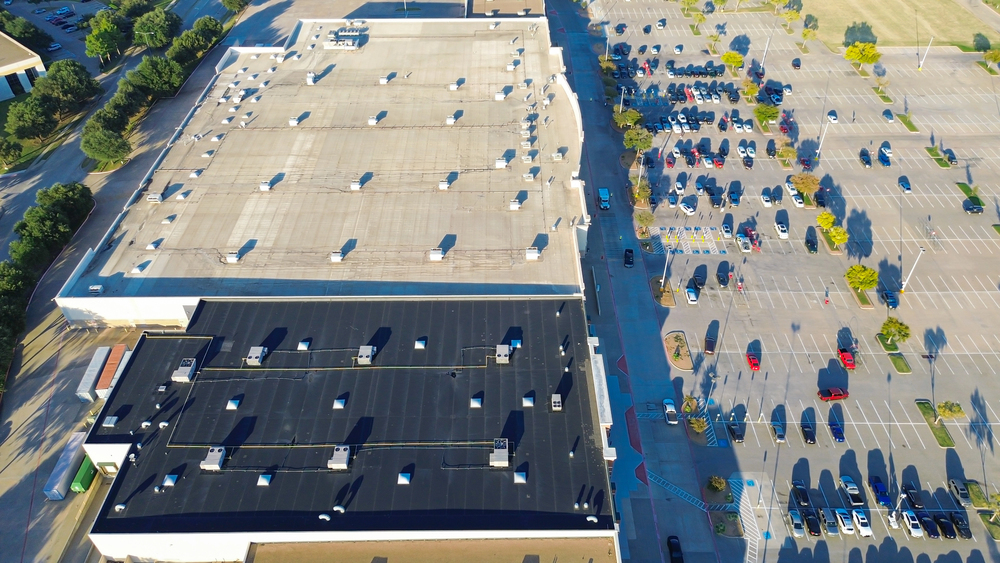
The Woodlands TPO commercial roofing experts.

How Can TPO Roofing Improve Energy Efficiency in Warm Climates?

In our hot climate in The Woodlands, Texas, TPO roofing offers a practical way to cut your energy use by reflecting sunlight and reducing heat buildup in your building. Here's how it works. TPO Roofing Efficiency in Hot Climates more This single-ply roof membrane system comes in a white or light-colored finish, and that allows it to reflect a high percentage of incoming sunlight. On a typical sunny day in a hot area, a dark roof can easily climb above 150 degrees Fahrenheit, and all that heat pushes straight into the attic or space below the roof. With the TPO reflective membrane, however, the surface temperature drops by as much as 50 degrees under the same conditions. Solar Reflectance Index Two properties are working together here. The first is the membrane's solar reflectance. Solar reflectance simply measures how much of the sun's energy bounces away from something, and many of these membranes start out reflecting 65% to 80% of the energy or more. Second, thermal emittance ratings tell you how well a roof sheds any heat it does pick up. Most TPO versions rate above 0.8 on that scale, which means they release heat quickly rather than holding onto it. Together these two effects create a high solar reflectance index, or SRI. The higher the SRI, the cooler the roof stays all day long. Interior Cooling Because less heat reaches the roof deck, less of it conducts through the insulation and the living or working space below it. The result is that the air conditioning does not have to run as hard or as often to remove that extra load. You can pair the system with good under-roof insulation for even better results. Many installations use tapered insulation boards or cover boards that create a smooth, continuous barrier, and the membrane is then either adhered, mechanically fastened, or heat-welded in place. The idea is to prevent hidden heat leaks that could cancel out the reflective benefit. Installation Factors That Matter for Performance The way the membrane goes on makes a big difference in how long the energy benefits are going to last. A properly sealed system keeps its reflectivity high because dirt and debris do not collect in gaps or around the fasteners. Experienced crews know to avoid wrinkles or fishmouths that could trap heat or allow early wear. You can also add a manufacturer-approved coating after a few years to refresh the surface if it starts to pick up dust or lose a bit of brightness. That simple step can restore most of the original reflectance and keep cooling costs in check without the need to do a full replacement of the whole thing. You should also think about how the roof ties into the rest of the building envelope. Good attic ventilation or proper insulation above the deck will always help the reflective surface do its job even better. If your current setup has gaps or compressed insulation, getting those things addressed when we put on your new roof is going to multiply your efficiency gain. Get a Quote in The Woodlands, Texas Visit Mend Roofing today here in Katy, and serving The Woodlands. To find out more about our licensed, professional roofing services and get a quote for your new roof.

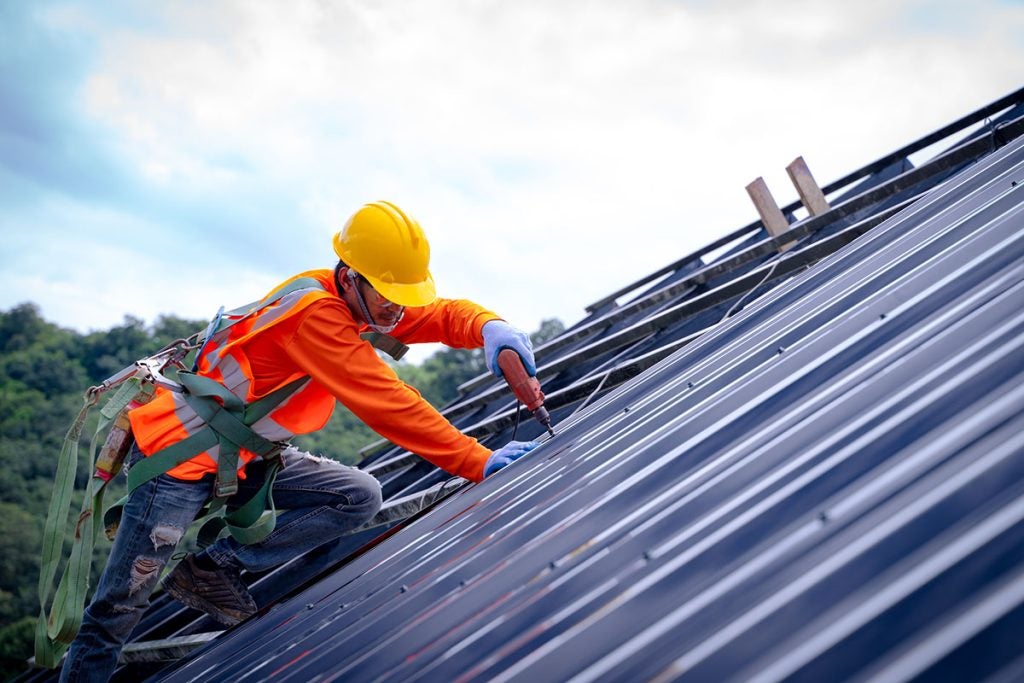
A construction worker in safety gear installs solar panels on a dark roof with a cloudy sky behind.

Different Roof Materials: A Complete Guide to Choosing the Right Roof for Your Home

Your roof does more than protect your home — it defines its style, energy efficiency, and overall value. Whether you’re building a new house or replacing an old roof, choosing the right roofing material can make all the difference in durability, cost, and aesthetics. In this guide, we’ll explore the different roof materials, their pros and cons, expected lifespans, and how to pick the perfect one for your home and climate. 1. Why Choosing the Right Roofing Material Matters The roofing material you select affects: Your home’s long-term protection Energy efficiency and insulation Maintenance frequency Overall cost of ownership The look and character of your property Choosing wisely ensures your roof not only lasts but also complements your lifestyle and budget. 2. Asphalt Shingles — America’s Favorite Choice Overview: Asphalt shingles are the most common roofing material in North America, known for affordability, easy installation, and decent durability. Key Advantages: Budget-friendly Wide color and style options Easy to repair or replace Works well for most climates Lifespan: 15–30 years Best For: Homeowners looking for cost-effective reliability Drawbacks: Can crack under extreme heat Shorter lifespan compared to premium materials Less eco-friendly than metal or tile 3. Metal Roofing — Durable and Energy Efficient Overview: Metal roofs are gaining popularity for their long lifespan and sleek, modern appeal. They’re made from materials like steel, aluminum, zinc, or copper. Key Advantages: Lifespan of 40–70 years Reflects sunlight, reducing cooling costs Resistant to fire, mildew, and insects Lightweight and recyclable Lifespan: 40–70 years Best For: Hot climates, energy-conscious homeowners Drawbacks: Higher upfront cost Can be noisy during heavy rain if not insulated properly 4. Clay and Concrete Tiles — The Long-Lasting Classics Overview: Clay and concrete tiles are a hallmark of Mediterranean, Spanish, and Southwestern architecture. They offer timeless beauty and exceptional longevity. Key Advantages: Lifespan up to 100 years Fire-resistant and low maintenance Excellent insulation properties Adds elegant curb appeal Lifespan: 50–100 years Best For: Warm, dry climates or coastal regions Drawbacks: Heavy — requires strong roof framing Higher installation cost 5. Slate Roofing — The Definition of Longevity Overview: Slate is a natural stone that has been used for centuries. It’s often considered the “lifetime roof” because it can last for over a century. Key Advantages: Can last up to 150 years Unmatched natural beauty Fireproof and weather-resistant Adds tremendous property value Lifespan: 75–150 years Best For: Luxury homes and historic restorations Drawbacks: One of the most expensive options Very heavy — needs reinforced structure Limited color options 6. Wood Shingles and Shakes — Rustic and Natural Overview: Wood shingles and shakes offer a warm, organic look that blends beautifully with natural surroundings. Key Advantages: Natural insulation Beautiful, rustic aesthetic Can last decades with proper care Lifespan: 20–40 years Best For: Traditional or cottage-style homes Drawbacks: High maintenance — requires regular treatment Not ideal for areas prone to wildfires Can attract insects or rot in damp climates 7. Synthetic Roofing Materials — Modern Versatility Overview: Synthetic roofs mimic premium materials like slate or wood but are made from polymers, rubber, or composite blends. Key Advantages: Lightweight and affordable alternative to natural materials UV- and impact-resistant Low maintenance Available in a variety of styles and colors Lifespan: 30–50 years Best For: Homeowners seeking durability and design flexibility Drawbacks: Less proven long-term performance (still relatively new) 8. Flat Roofing Systems — For Modern or Commercial Homes Overview: Flat roofs are common in commercial buildings but are also popular in modern residential designs. They’re typically made with materials like EPDM, TPO, or PVC. Key Advantages: Affordable and easy to install Great for rooftop decks or solar panels Minimalist modern appearance Lifespan: 20–35 years Best For: Modern homes, commercial properties Drawbacks: Requires regular inspection to prevent ponding water Shorter lifespan if drainage is poor 9. Green Roofs — Eco-Friendly and Energy Efficient Overview: Green roofs are covered with vegetation and a waterproofing system. They’re designed for sustainability and temperature control. Key Advantages: Improves air quality Reduces heat absorption Extends roof life by protecting underlying materials Ideal for eco-conscious homeowners Lifespan: 30–50 years (with maintenance) Best For: Urban buildings and eco-friendly homes Drawbacks: Requires expert installation and structural support Higher upfront cost 10. Solar Roofing — The Future of Roof Materials Overview: Solar shingles or solar tiles generate electricity while serving as roof protection. They’re a blend of durability and renewable energy technology. Key Advantages: Reduces energy bills Increases property value Sustainable and sleek Lifespan: 25–30 years Best For: Energy-efficient, tech-forward homes Drawbacks: High initial investment Requires professional installation and maintenance 11. Factors to Consider When Choosing Roofing Material When selecting the right roof, consider these factors: Budget: Materials like asphalt and synthetic roofs are more affordable than slate or clay. Climate: Hot climates favor metal or tile roofs, while cold regions benefit from asphalt or slate. Aesthetic Preference: Choose materials that complement your home’s style. Structural Strength: Heavy materials like slate and clay may require reinforced framing. Maintenance Level: Consider how much time and cost you can dedicate to upkeep. Your roofing contractor can guide you toward the best material for your property and region. 12. Final Thoughts — Find the Perfect Roof for Your Home There’s no single “best” roofing material — the right choice depends on your budget, climate, and design preferences. If you’re looking for affordability and versatility, asphalt shingles are hard to beat. For durability and modern style, metal roofing stands out. If longevity and luxury are your goals, slate or clay tiles will serve you for generations. No matter your choice, investing in professional installation and regular maintenance ensures your roof performs at its best for years to come. FAQs About Different Roof Materials 1. What is the most durable roofing material? Slate and metal roofs are the most durable, lasting anywhere between 50 to 150 years with proper maintenance. 2. What is the most affordable roofing option? Asphalt shingles are the most cost-effective and widely used option for residential roofing. 3. What type of roof is best for hot climates? Metal and clay tile roofs are excellent for hot regions since they reflect sunlight and resist heat damage. 4. Which roofing material is the easiest to maintain? Metal and synthetic roofs require minimal maintenance compared to wood or asphalt. 5. How do I choose the right roof material for my home? Consider your budget, weather conditions, aesthetic goals, and structural requirements before selecting a material. Consulting a roofing professional helps ensure the best choice.

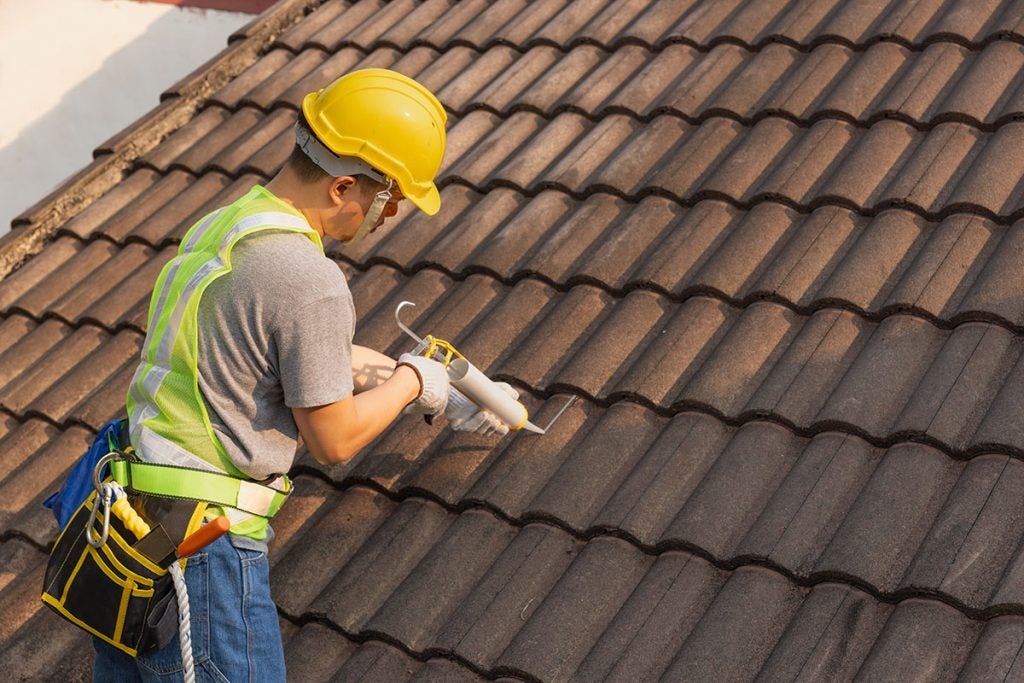
A worker in a hard hat and safety vest seals gaps between brown roof tiles with a caulk gun.

How Long Does a Roof Last? Understanding Roof Lifespan & Maintenance

Your roof is one of the most important parts of your home — it protects everything beneath it from weather, temperature, and time. But like all things, roofs don’t last forever. Knowing how long a roof lasts, what affects its lifespan, and when to consider replacement can save you from costly damage later. In this guide, we’ll break down the average lifespan of different roofing materials, key signs of wear, and tips to extend your roof’s life. 1. Why Roof Lifespan Matters A roof is a major investment, and understanding its longevity helps you plan for: Maintenance schedules Budgeting for replacement Preventing water leaks and structural issues Knowing what to expect from your roof’s materials and maintenance needs ensures your home stays safe and energy efficient year-round. 2. Average Lifespan of Different Roofing Materials Not all roofs age the same. Material choice has the biggest impact on how long your roof lasts. Roofing Material Average Lifespan Maintenance Level Asphalt Shingles 15–30 years Moderate Metal Roofing 40–70 years Low Clay or Concrete Tiles 50–100 years Low Wood Shakes/Shingles 20–40 years Moderate to High Slate Roofing 75–150 years Very Low Flat Roofs (EPDM, TPO, PVC) 20–35 years Moderate These estimates assume proper installation and regular maintenance — two key factors in maximizing roof lifespan. 3. How Climate Affects Roof Longevity Your local weather plays a major role in determining how long your roof will last. Sun Exposure: UV rays can dry out shingles, leading to cracking or curling. Heavy Rainfall: Constant moisture can weaken underlayment or cause mold. Snow and Ice: Freeze-thaw cycles may damage roof tiles and flashing. Strong Winds: Can lift shingles, exposing your roof to water infiltration. If you live in an area with extreme climates, choosing a weather-resistant material like metal or tile can significantly extend your roof’s lifespan. 4. Signs Your Roof May Be Nearing the End Even the most durable roofs show signs of wear over time. Watch for these red flags: Missing, cracked, or curling shingles Water stains on ceilings or walls Sagging rooflines Moss or algae growth Loose flashing around vents and chimneys Granules collecting in gutters Higher energy bills due to poor insulation Ignoring these symptoms can lead to expensive repairs — or even interior water damage. 5. The Importance of Regular Roof Inspections Professional roof inspections help identify problems early. It’s best to schedule: One inspection annually Additional checks after major storms A certified roofing contractor can spot small issues like cracked flashing or missing sealant before they turn into full-blown leaks. 6. How Roof Installation Quality Impacts Lifespan Even the best roofing materials won’t last if they’re poorly installed. Quality installation ensures: Proper ventilation and insulation Secure flashing and underlayment Even alignment and sealing Hiring licensed, experienced roofers guarantees your investment lasts its full potential lifespan — and often keeps your manufacturer’s warranty valid. 7. Maintenance Tips to Extend Roof Life Proper roofing maintenance can add years to your roof’s lifespan. Here’s what you can do: – Simple Maintenance Checklist Clean gutters and downspouts twice a year. Remove leaves, branches, and debris after storms. Trim overhanging trees to prevent shingle damage. Check for loose or missing shingles regularly. Ensure attic ventilation is adequate. Apply roof coatings (for flat or metal roofs) when needed. A little routine care can prevent most common roof problems before they start. 8. How Roofing Material Color and Design Influence Durability Color and design can also impact roof longevity: Lighter colors reflect heat, helping reduce UV damage and energy costs in hot climates. Darker roofs may last longer in colder regions, as they retain warmth and prevent ice dams. Architectural shingles or standing seam metal designs also tend to resist wind uplift and weather damage better than basic materials. 9. Roof Replacement: When Is It Time? Sometimes repairs just aren’t enough. You may need to replace your roof if: It’s past 80–90% of its expected lifespan. Repairs are becoming frequent and expensive. You notice significant water leaks or sagging. The underlying decking or insulation is damaged. A full roof replacement can increase your home’s value, safety, and curb appeal, making it a wise long-term investment. 10. Costs Involved in Roof Replacement Roof replacement costs vary depending on: Material type (asphalt being cheapest, slate being most expensive) Roof size and slope Labor and removal costs Regional pricing – Average Cost Ranges Asphalt shingles: $5,000–$10,000 Metal roofing: $10,000–$20,000 Tile or slate: $15,000–$40,000+ Always get multiple quotes and verify contractor credentials before hiring. 11. Can You Extend Roof Lifespan Without Replacement? Yes — through preventive maintenance and protective treatments. Consider: Applying a UV-protective coating for metal or flat roofs. Replacing damaged shingles promptly. Reinforcing flashing and sealants. Improving attic ventilation to reduce moisture buildup. These small investments can extend your roof’s life by 5–10 years or more. 12. Final Thoughts — Make Your Roof Last Longer Your roof doesn’t have to be a mystery. By understanding your roof’s material, climate exposure, and maintenance needs, you can maximize its lifespan and prevent costly replacements. Regular inspections, prompt repairs, and professional installation are your best defense against premature aging. Treat your roof as the protective shield it is — because when your roof is strong, your home is safe. FAQs: How Long Does a Roof Last? 1. What’s the average lifespan of an asphalt shingle roof? Typically 15–30 years, depending on weather exposure and maintenance. Architectural shingles may last longer. 2. How can I tell if my roof needs replacement? Look for curling shingles, sagging, leaks, or light coming through the attic. These are clear indicators your roof is nearing the end of its life. 3. Do metal roofs really last 50 years or more? Yes. With minimal maintenance, metal roofs can last 50–70 years, making them a cost-effective long-term choice. 4. How often should I inspect my roof? At least once a year, and after every major storm or hail event, to catch early signs of damage. 5. Does roof color affect lifespan? Yes. Lighter colors reflect sunlight and prevent heat buildup, which helps roofs last longer in hot climates.

The Hidden Dangers of Poor Gutter Maintenance on Your Roof

The Hidden Dangers of Poor Gutter Maintenance on Your Roof Your roof is your home’s first line of defense against the elements—but without a properly functioning gutter system, even the strongest roof can face premature damage. Gutters are designed to channel water away from your home, protecting both the roof and the foundation. When they’re neglected, clogged, or damaged, they can create a chain reaction of problems that affect the safety, appearance, and lifespan of your roofing system. At Mend Roofing, we help Texas homeowners understand the importance of gutter health in preserving roof integrity. Water Overflow: The Silent Roof Destroyer One of the most immediate dangers of clogged gutters is water overflow. When rainwater can’t flow freely through your gutter system, it begins to back up, spilling over the edges and seeping into areas it shouldn’t. Fascia and Soffit Damage: Standing water can rot wooden fascia boards and soffits, leading to costly repairs. Underlayment Saturation: Overflow can seep under shingles and saturate the roof underlayment, causing leaks and mold growth. Foundation and Structural Damage: Problems That Start at the Top While gutters are attached to the roofline, their role extends all the way to your home’s foundation. Poor drainage can allow water to pool near your foundation, leading to cracks, shifting, and long-term structural issues. A healthy gutter system ensures water is diverted far away from your home’s base, keeping both roof and foundation stable. Ice Dams and Seasonal Hazards In colder months—yes, even in parts of Texas—blocked gutters can contribute to ice dams. These form when trapped water freezes, creating heavy blockages that push water back under your shingles. Even without ice, debris buildup can trap moisture, accelerating shingle deterioration. Pest Infestation: An Overlooked Threat Clogged gutters filled with leaves, twigs, and standing water are prime breeding grounds for pests like mosquitoes, rodents, and birds. Some of these pests can cause direct roof damage—gnawing on shingles, nesting in soffits, or scratching protective coatings. Proactive Gutter Maintenance: Your Roof’s Best Friend The solution to these hidden dangers is simple but powerful: regular gutter cleaning and inspection. Seasonal Cleanings: At least twice a year, preferably in spring and fall, to remove debris before heavy rainfall. Check for Sagging or Leaks: Ensure gutter sections are securely fastened and water is flowing freely. Consider Gutter Guards: These can significantly reduce debris buildup while allowing water to pass through. Your Roof and Gutters Work Together At Mend Roofing, we don’t just repair and replace roofs—we look at the full system that keeps your home protected. That includes ensuring your gutters are functioning properly to prevent avoidable roof damage. If you’re in Cypress, TX, or the surrounding areas and suspect your gutters might be putting your roof at risk, contact us today for a comprehensive roof and gutter inspection. Protect your investment by addressing issues before they become costly problems.

How Solar Panels Affect Your Roof: Installation & Maintenance

Solar panels are more than just a step toward sustainability—they’re an investment in energy efficiency and long-term savings. However, while homeowners often focus on the benefits of solar energy, it’s equally important to understand how these systems impact the roof that supports them. At Mend Roofing, we believe in educating homeowners so they can make informed decisions about both their roof and solar installation. Let’s explore the key factors every Texas homeowner should consider before going solar. Structural Compatibility: Ensuring Your Roof Can Handle the Load Before installing solar panels, it’s essential to assess whether your roof can bear the additional weight. While most modern roofing systems can handle solar panel installations, older or damaged roofs may require reinforcement. Metal and Tile Roofs: These roofing types are naturally strong and can often support solar systems without major modifications. Asphalt Shingles: These are compatible with solar panels but may require additional bracing if the shingles are aged or the decking is weak. A pre-installation roof inspection by a qualified roofing contractor ensures your system won’t cause structural strain over time. Weather Resistance: Protecting Your Roof and Panels from Texas Conditions In Texas, roofs endure intense sunlight, heavy rain, and high winds. Adding solar panels introduces new challenges and opportunities for weather protection. Wind Resistance: Properly mounted panels can actually shield parts of the roof from wind uplift. However, poor installation can create vulnerabilities where wind can penetrate and cause damage. Waterproofing: Solar installations require penetrations in the roof for mounting hardware. Without high-quality flashing and sealants, these areas can become entry points for water. Partnering with an experienced roofing contractor ensures solar mounting doesn’t compromise your roof’s weatherproofing. Heat and Ventilation: How Solar Panels Can Benefit Your Roof Solar panels can serve as a secondary layer of protection against direct sunlight, reducing heat absorption by the roof beneath them. This shading effect can lower attic temperatures, potentially extending the life of your roofing materials. However, proper ventilation is still essential. Trapped heat between the panels and roof can accelerate wear if airflow is not considered during installation. Maintenance and Lifespan: Keeping Both Roof and Panels in Top Shape A solar installation is only as durable as the roof beneath it. Since solar panels typically last 25–30 years, it’s wise to ensure your roof has a similar lifespan before installation. Roof Repairs First: If your roof is nearing the end of its life, replace or repair it before adding solar panels to avoid costly panel removal later. Regular Inspections: Annual roof and solar inspections help identify issues early, whether it’s a loose mounting bracket or wear to the underlying shingles. Professional Collaboration: The Key to Long-Term Success The best solar installations happen when roofing and solar professionals work together. At Mend Roofing, we coordinate with solar companies to ensure your installation is secure, waterproof, and optimized for longevity. Whether you’re preparing for a solar installation in Cypress, TX, or want to assess your current roof’s readiness, our team is here to help. Contact Mend Roofing today for a thorough roof evaluation and expert guidance before making the leap to solar power.

Roof Replacement and Repairs: Best time of year in Texas

Understanding Seasonal Impacts on Roofing in Texas Spring: A Time of Mild Temperatures and Focused Attention Spring in Texas presents a unique opportunity for roofing projects. The season’s milder temperatures are conducive to material longevity, ensuring a robust start for your new roof. However, the unpredictability of spring weather, with potential storms, necessitates careful planning and weather monitoring, especially for roof repairs in areas like Cypress, Texas. Summer: The Popular Choice with Its Own Challenges Summer is a preferred season for many homeowners in Texas for roof replacement. The absence of spring’s erratic weather and reduced moisture levels are beneficial for roofing materials. However, the extreme heat of Texas summers can adversely affect roofing materials, causing them to crack or tear. Early summer scheduling is advisable to avoid the harshest temperatures. Autumn: Ideal Conditions but High Demand Autumn is often cited as the best time for roofing projects in Texas due to its moderate temperatures. This season offers an efficient working environment for contractors, leading to quicker project completion. However, the popularity of autumn for roofing means higher demand for services, making it essential to book appointments with a roofing company in Cypress, TX, well in advance. Winter: Low Humidity with Its Own Setbacks Winter might not be the first choice for roofing in Texas, but it offers advantages like low humidity, which protects materials from warping and mold. However, the cold can cause materials to curl, creating weak spots, and shorter daylight hours may extend project timelines and potentially increase labor costs. Making the Right Choice for Your Roofing Needs Deciding on the best season for roofing in Texas requires a balance of factors, including weather conditions, contractor availability, and personal circumstances. It’s important to remember that sometimes, urgent repairs, such as those caused by storm damage, cannot wait for an ideal season. In such cases, relying on a professional roofing contractor in Cypress, Texas, like Mend Roofing, ensures safe and efficient roof repairs regardless of the season. Addressing Urgent Roofing Needs Unforeseen events like storm damage often necessitate immediate roof repairs. Delaying these repairs can lead to increased damage and repair costs. Mend Roofing specializes in addressing such urgent needs, providing expert services to ensure your roof is repaired promptly and effectively, regardless of the time of year. In conclusion, each season in Texas offers its own set of advantages and challenges for roof replacement and repairs. Homeowners need to consider various factors, including weather patterns, contractor schedules, and personal circumstances, to make an informed decision. For those in Cypress, Texas, seeking professional guidance and services, a roofing company like Mend Roofing can provide invaluable assistance in navigating these decisions and ensuring a successful roofing project.

Roof Ventilation: Ensuring Longevity and Efficiency

1. The Imperative of Sealing the Attic Floor When it comes to roof ventilation, the first and foremost step is ensuring the attic floor is completely sealed. This is pivotal because any excessive openings or punctures in the ceiling can allow warm air to seep into the attic, thereby reducing the efficiency of ventilation. Think of these as “Swiss cheese” ceilings. Every puncture or hole is a potential gateway for warm air and humidity. Especially if there are elements like recessed lighting or ductwork in the attic, it’s crucial to ensure they are well-sealed and insulated. Moreover, it’s advisable to keep all ductwork within the insulation layer to prevent heat from escaping into the attic. 2. Prioritizing Insulation Above the Top Plate Insulation plays a pivotal role in roof ventilation. The insulation above the top plate should ideally match or even surpass the thermal resistance of the wall. This means that if you know the R-value of your wall, the insulation on the top plate should be at least equivalent or even higher. 3. The Significance of Properly Vented Soffits The positioning of the soffit vent is of paramount importance. The ideal placement is as far from the building structure as feasible. This is because the sun’s rays, when they hit the side of a building, lead to a concentration of solar-heated warm air. As this air rises, it accumulates under the soffit. If the vent is too proximate to the building, this warm air becomes the primary source for ventilation, which can adversely affect the efficiency of the ventilation process. 4. Ensuring Adequate Airspace The space between the roof sheathing and the top of the insulation is crucial. This space determines the volume of air that can enter the attic. While most building codes stipulate a minimum of 1” as adequate, experienced builders, especially in colder climates, advocate for closer to 2”. The rationale is straightforward: more air cycling through the attic ensures minimal warm air, which is essential for preventing ice dams. 5. The Advantage of Pressurizing the Attic Contrary to some building codes that recommend equal intake and exhaust for optimal ventilation, creating a scenario where the eaves have slightly more pressure than the ridge can be beneficial. This approach pressurizes the attic, facilitating quicker and more efficient movement of air. For achieving this, a ventilation ratio of 60/40 between the eaves and ridge is considered ideal. Addressing Conditioned Living Spaces For homes with conditioned living spaces in the attic, such as those with attic dormers, the question often arises: Is ventilation still crucial if there’s a well-insulated roof deck and assembly? While a well-insulated roof deck does keep the heat inside and cold outside, in high snow areas, proper ventilation remains indispensable. Why Choose Mend Roofing? At Mend Roofing, we prioritize the longevity and efficiency of your roof. Our expertise in roof repair in Cypress TX ensures that your roofing needs are addressed with precision and professionalism. Whether you’re looking for a roofing contractor in Cypress Texas or a comprehensive residential roof repair service in Cypress Texas, Mend Roofing is your go-to solution. Remember, a well-ventilated roof not only ensures energy efficiency but also adds years to the life of your roof. Choose wisely, choose Mend Roofing.

Combining Functionality and Aesthetics in Roof Design: A Comprehensive Guide

Roof design is an intricate blend of both functionality and aesthetics. A well-constructed roof not only safeguards a building from external elements but also elevates its overall visual appeal. In this guide, we delve deep into the nuances of creating a roof that is both practical and aesthetically pleasing. The Essence of Understanding Building Purpose Every building, be it residential or commercial, has a distinct purpose. This purpose dictates the architectural style, material choices, and design nuances. For instance, while a home in Cypress might emphasize a design that resonates with the local community’s charm, a corporate building would lean towards a sleek, modern appearance. Aligning the roof design with the building’s intent ensures a harmonious blend of functionality and aesthetics. The Value of Expert Consultation When it comes to roofing, there’s no substitute for professional advice. Experts, like those at Mend Roofing, bring a wealth of knowledge about local conditions, material suitability, and design intricacies. Whether you’re considering a roof repair in Cypress TX or contemplating a new installation, consulting with a seasoned roofer in Cypress TX ensures that the design is both robust and visually appealing. Navigating Local Climate and Regulations Cypress, with its unique climatic conditions, demands specific considerations in roof design. A design that caters to heavy rainfall, for instance, would prioritize efficient drainage systems. Moreover, adhering to local building codes ensures the roof’s longevity and safety. A roofing contractor in Cypress Texas would be well-versed in these regulations, ensuring a design that’s both compliant and effective. Material Choices: Striking the Right Balance The choice of roofing material plays a pivotal role in determining both the roof’s durability and its aesthetic appeal. From asphalt shingles and metal roofing to clay tiles and cedar shakes, each material offers distinct advantages. For instance, while metal roofing might suit a contemporary setting, clay tiles could be the perfect fit for more traditional architectures. The key lies in choosing a material that aligns with the building’s style while offering optimum protection. The Role of Roof Pitch and Shape The pitch and shape of a roof influence how it interacts with natural elements. A steeper slope, for example, ensures efficient water runoff in areas prone to heavy rainfall. The shape, be it gable, hip, or mansard, adds to the building’s architectural character. By carefully selecting the pitch and shape, one can achieve a design that’s both functional and in sync with the building’s aesthetics. Ensuring Effective Drainage An efficient drainage system is paramount to the roof’s longevity. Gutters and downspouts, when strategically placed, channel water away from the structure, safeguarding it from potential water damage. Moreover, a well-integrated drainage system complements the roof’s design, adding to its visual appeal. Embracing Sustainable Roofing Practices Sustainability is no longer just a buzzword; it’s a necessity. Incorporating green roofs or integrating solar panels not only reduces the building’s carbon footprint but also enhances its aesthetic appeal. Such sustainable practices ensure that the building remains energy-efficient while making a positive environmental impact. In conclusion, designing a roof that seamlessly blends functionality with aesthetics requires a meticulous approach. By understanding the building’s purpose, seeking expert advice, considering local conditions, making informed material choices, and embracing sustainability, one can craft a roof that stands the test of time while adding immense aesthetic value to the structure.

Guide to Roof Coating Systems

Roof coating systems have become an essential component for homeowners seeking to enhance the longevity and performance of their roofs. At Mend Roofing, we understand the significance of a well-maintained roof and the role of a quality roof coating system in ensuring its durability. Here’s a detailed guide on the benefits of roof coating systems and how they can be a game-changer for your home. Understanding Roof Coatings A roof coating is a protective layer applied to a roof’s surface, designed to shield it from various environmental factors. These coatings can be crafted from various materials, including asphalt, silicone, elastomeric, and polyurea. They serve as a cost-effective alternative to a complete roof replacement, offering homeowners both financial and functional advantages. Key Benefits of Roof Coating Systems 1. Energy Efficiency Enhancement Roof coatings are known to reflect a significant portion of the sun’s heat, leading to a cooler home during the summer. This reflective capability can substantially reduce cooling costs. Additionally, these coatings provide added insulation, ensuring warmth during the colder months. 2. Minimized Roof Maintenance Roof coatings offer protection against the harmful UV rays of the sun, which can lead to fading and cracking. Being seamless, they can effectively address roof leaks and offer protection against rain, snow, and ice, thereby extending the roof’s lifespan and reducing maintenance needs. 3. Aesthetic Improvement Available in various colors, roof coatings can rejuvenate the appearance of your roof. They can also prevent the growth of algae and moss, ensuring your roof remains clean and visually appealing. 4. Protection of Roofing Components Roof coatings seal the seams and joints, preventing water infiltration. This added layer ensures the roofing components remain in optimal condition for an extended period. 5. Noise Reduction A notable advantage of roof coatings is their ability to dampen external noises, such as rain or hail, ensuring a quieter home environment. 6. Extended Roof Lifespan By offering protection against UV rays and resisting algae and moss growth, roof coatings can significantly extend the life of your roofing system. 7. Eco-friendly Solution Reflecting the sun’s heat not only reduces energy consumption but also lowers the carbon footprint. Many roof coatings have low or zero VOCs, making them environmentally friendly. 8. Cost-Effective Roof coatings are an affordable solution that can enhance the appearance and functionality of your roof without the need for a complete replacement. 9. Low Maintenance Once applied, roof coatings require minimal maintenance. Occasional cleaning to remove dirt or debris is sufficient to keep them in prime condition. 10. Increased Home Value A well-coated roof can enhance the resale value of your home, making it an attractive proposition for potential buyers. Making the Right Choice for Your Home When considering a roof coating system, it’s crucial to select the one that aligns with your home’s specific needs. Factors like the type of roof, local climate, and budget play a significant role in this decision. Whether you’re looking for a roofer in Cypress TX or seeking a residential roof repair service in Cypress Texas, it’s essential to consult with professionals like Mend Roofing to ensure you make an informed choice. Conclusion A roof coating system is a strategic investment that offers a plethora of benefits. From enhancing the roof’s lifespan to improving its aesthetic appeal, these coatings are a must-have for every homeowner. At Mend Roofing, we are committed to providing top-notch roofing solutions tailored to your needs. Whether you’re considering a roof repair in Cypress TX or any other roofing service, trust us to deliver excellence every step of the way.

Contact Us

Fill out this form below and we'll contact you shortly
*Required Fields