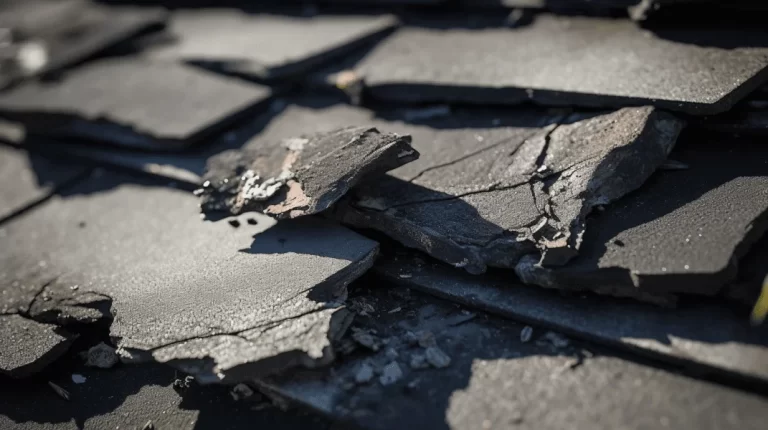
After a severe storm, Texas homeowners should prioritize safety, document all visible roof damage with photos and videos, review their homeowners insurance policy, and contact their insurer promptly. A professional roof inspection from a qualified roofing contractor can provide documentation that supports the claims process and helps determine whether repair or full roof replacement is needed.
Texas weather is unpredictable. One afternoon the sky is clear, and by evening a severe thunderstorm rolls through with hail the size of golf balls, damaging everything in its path—including your roof. What happens next matters. The steps you take immediately after a storm can protect your home from further damage and make the insurance claims process considerably smoother.
Understanding how to file insurance claims for roof repairs after a storm doesn’t have to feel overwhelming. With the right documentation, a clear process, and a trusted roofing professional by your side, you can approach the situation with confidence. This guide walks you through everything you need to know—from your first steps after the storm to navigating the insurance adjuster visit and deciding between roof repair and full replacement.
What Should I Do Immediately After a Severe Storm?
Your first priority is safety. Before stepping outside to inspect your property, make sure the storm has completely passed and there are no downed power lines or structural hazards nearby. Once it’s safe, here’s what to do:
- Stay on the ground. Do not climb onto the roof yourself. A visual inspection from the ground is enough to spot visible issues like missing shingles, damaged gutters, or debris.
- Take photos and videos right away. Capture everything you can see—damaged siding, dented vents, broken gutters, and any interior water intrusion. Time-stamp your documentation if possible.
- Prevent further interior damage. If water is actively entering your home, place buckets or tarps to minimize the spread—provided it’s safe to do so. Keep any damaged materials rather than discarding them.
- Schedule a professional roof inspection. A licensed roofing contractor can identify damage that isn’t visible from the ground, including issues with flashing, underlayment, and structural integrity.
Prompt action protects your home and creates a clearer record for your insurance claim.
How to File Insurance Claims for Roof Repairs After a Storm
Filing a roof insurance claim can feel daunting, but breaking it into clear steps makes the process much more manageable.
1. Document the damage. Before making any calls, photograph and video everything. Capture wide shots of the roof, close-ups of damaged areas, and any interior water damage or staining.
2. Review your homeowners insurance policy. Locate your declarations page and understand your coverage limits, deductible, and any exclusions related to storm damage. Look for terms like “ACV” (Actual Cash Value) vs. “RCV” (Replacement Cost Value), as these affect your payout.
3. Contact your insurance provider. Report the damage and begin the claims process as soon as possible. Most insurers have a dedicated claims line or online portal. Note your claim number and the name of your claims representative.
4. Schedule an adjuster inspection. Your insurer will send an insurance adjuster to assess the storm damage. This visit is critical—make sure you’re present and have your documentation ready.
5. Obtain a professional roofing inspection. Having an independent roof inspection report from a licensed roofing contractor—ideally before or shortly after the adjuster visit—can provide valuable supporting documentation for your claim.
6. Review the claim decision. Once your insurer processes the claim, you’ll receive an estimate for covered repairs or replacement. Review it carefully. If you believe the assessment is incomplete, you have the right to request a re-inspection or work with your contractor to dispute specific line items.
7. Schedule repairs once approved. After your claim is settled, contact your roofing contractor to begin the repair or replacement work.
What Documentation Can Strengthen a Roof Insurance Claim?
Organized, thorough records give your claim the best possible foundation. Here’s what to gather:
- Photos and videos of the damage, taken as soon as it’s safe
- Date and time of the storm, including any news reports or weather alerts confirming the event
- Professional roof inspection report from a licensed roofing contractor
- Repair estimates from one or more qualified roofing professionals
- Previous maintenance records that show your roof was in good condition before the storm
- Your homeowners insurance policy and declarations page
- All correspondence with your insurance company, including emails, claim numbers, and notes from phone calls
Keeping these records organized in one place—digital or physical—saves time and reduces stress throughout the claims process.
What Types of Storm Damage Are Typically Covered by Homeowners Insurance?
Texas storms bring a range of hazards, and homeowners insurance policies commonly cover damage caused by:
- Hail damage — dents in metal flashing, cracked or bruised shingles
- High wind damage — lifted, curled, or missing shingles
- Fallen tree limbs — punctures or structural damage to the roof deck
- Water intrusion — roof leaks caused by storm-related breaches
- Flashing damage — compromised seals around chimneys, vents, or skylights
- Missing shingles — exposed underlayment left vulnerable to water
Coverage depends entirely on your individual policy, the cause of the damage, and your insurer’s assessment. Always review your policy details carefully and consult your insurance provider with specific questions about your coverage.
Common Mistakes Homeowners Make After Storm Damage
A few missteps can complicate your claim or reduce your payout. Watch out for these:
- Waiting too long to report the damage. Most insurance policies have reporting deadlines. The sooner you file, the better.
- Discarding damaged materials. Keep broken shingles, dented gutters, or other debris—they serve as physical evidence.
- Making permanent repairs before documenting. Emergency tarping is fine, but don’t replace shingles or patch the roof before your adjuster has had a chance to inspect the original damage.
- Overlooking hidden damage. Hail and wind can damage areas that aren’t obvious from the ground—including the roof deck and underlayment. A professional inspection catches what you can’t see.
- Not reading your policy. Skipping the fine print means missing key details about exclusions, deductibles, and claim procedures.
- Skipping the professional inspection. Going straight to the adjuster without an independent roof inspection leaves you without a critical piece of supporting documentation.
Insurance Claim Roof Replacement Guide: Repair or Replace?
One of the most common questions homeowners ask is whether their roof needs a simple repair or a full replacement. This insurance claim roof replacement guide outlines the key factors:
Repair may be sufficient when:
- Damage is isolated to a small area
- The roof is relatively new and in otherwise good condition
- Missing shingles or minor flashing issues are the only concerns
Replacement may be recommended when:
- The damage affects a large portion of the roof
- The roof is approaching the end of its expected lifespan (typically 15–25 years for asphalt shingles)
- There is significant structural damage to the roof deck
- Multiple repair attempts have failed to stop a persistent roof leak
Insurers typically consider the age of the roof, the extent of the damage, and the cost of repair versus replacement when making their determination. An independent inspection report from a qualified roofing contractor can provide the documentation needed to support a replacement recommendation—and is a key component of any thorough insurance claim roof replacement guide.
Keep in mind that no roofing contractor can guarantee what your insurance company will ultimately approve. Coverage decisions rest with your insurer.
Get a Professional Roof Inspection with Mend Roofing
After a severe storm, having the right roofing partner makes a real difference. Mend Roofing serves homeowners across Texas—including Spring, Houston, The Woodlands, Katy, and surrounding communities—with professional roof inspections, storm damage restoration, and repair and replacement services. With over 20 years of combined experience and GAF Certified status, Mend Roofing brings the expertise and transparency that Texas homeowners need when navigating storm damage and the insurance claims process.
If your roof has been affected by hail, high winds, or severe weather, don’t wait. Schedule your professional roof inspection with Mend Roofing today and get the documentation you need to move your claim forward with confidence. Have questions first? Visit the Mend Roofing FAQ page for answers to common questions about roofing services, insurance, and more.
Frequently Asked Questions
How soon should I file a roof insurance claim after a storm?
File as soon as possible—ideally within days of the storm. Most homeowners insurance policies include a reporting window, and delays can complicate your claim. Prompt reporting also helps ensure that the connection between the storm and the damage is clearly established.
Will homeowners insurance cover hail damage to my roof?
Homeowners insurance typically covers hail damage when the damage is sudden and caused by a covered weather event. However, coverage depends on your specific policy, your deductible, and whether the damage meets your insurer’s threshold for a covered loss. Review your policy or contact your provider for clarification.
What documents should I keep for my roof insurance claim?
Keep photos and videos of the damage, the date and details of the storm, your professional roof inspection report, repair estimates, previous maintenance records, your insurance policy documents, and all written or recorded communications with your insurer. Organized documentation supports a smoother, faster claims process.
Should I have my roof inspected before the insurance adjuster arrives?
Yes, when possible. A professional roof inspection report from a licensed roofing contractor can provide an independent, detailed account of the damage. This documentation gives you a point of comparison during the adjuster’s visit and can support your claim if there are disagreements about the scope of damage.
How do I know if my roof needs repair or replacement after a storm?
The decision depends on the extent and location of the damage, the age of the roof, and whether the structural integrity has been compromised. A professional roof inspection is the most reliable way to determine the right course of action. A licensed roofing contractor can assess the damage thoroughly and provide a recommendation based on what they find—not just what’s visible from the ground.
Connect with us


