Blog

Roofing Solutions for Warm and Arid Climates

Living in regions with predominantly hot and dry climates, such as parts of the southwestern US, poses unique challenges for homeowners. The constant exposure to the sun, coupled with extreme temperature fluctuations, demands a warm roofing solution that’s both durable and efficient. Here, we delve into the ideal warm roofing solutions tailored for such climates, emphasizing the benefits of metal roofing.

Understanding the Climate Challenges

In areas like Texas and Arizona, the climate is predominantly arid. These regions witness temperature spikes well above 100 degrees during summer, while winters can see temperatures plummeting below 30 degrees. Such dramatic shifts can exert immense stress on roofing systems. The key is to opt for warm roofing materials that can adapt to these temperature variations without compromising their structural integrity.

Moreover, prolonged sun exposure can be detrimental to certain roofing materials, causing them to retain heat, leading to potential damage like curling and cracking. In regions with minimal shade, it’s crucial to have a warm roofing system that reflects the sun’s intense rays, keeping the interior of the home cool and comfortable.

Additionally, while rare, the summer season can bring about intense “monsoon” rains. In places like Arizona and New Mexico, a significant portion of the annual rainfall occurs during this period. Hence, the chosen warm roofing solution should efficiently shed water while maintaining its quality during the drier months.

Why Choose Metal Roofing?

Metal roofing emerges as a frontrunner for regions experiencing extreme temperatures and prolonged sun exposure. Here’s why:

1. Cool Roofing Colors

Mend Roofing offers a range of Cool Roofing colors, specifically designed for climates that are predominantly hot. These colors are gauged by the Solar Reflectance Index (SRI), which measures a surface’s capability to reflect radiation and emit thermal radiation. The higher the SRI number, the better the material is at staying cool under the sun.

2. Adaptable to Temperature Fluctuations

One of the standout features of metal roofing is its ability to expand and contract in response to temperature changes. Unlike other materials, such as shingles, which can warp or crack under temperature stress, metal roofing systems are designed to move with these shifts, ensuring longevity and durability.

3. Weather Resilience

Metal roofing is the go-to choice for those seeking a solution that can withstand the challenges of the monsoon season. Mend Roofing offers panels that efficiently shed water, ensuring optimal performance even during the driest months.

4. Energy Efficiency

Metal roofs stand out for their energy efficiency. Their reflective properties ensure that the sun’s UV rays are deflected rather than absorbed. This means that unlike other materials, which can retain heat, metal roofs cool down faster, helping maintain a comfortable interior temperature. Consequently, homeowners with metal roofs often report savings on their annual energy bills.

In Conclusion

For those residing in hot, dry climates, metal roofing offers a plethora of benefits, from energy efficiency to durability. If you’re considering a roofing solution tailored to such climates, Mend Roofing is here to assist. With our expertise in metal roofing solutions, we can guide you to the best choice for your home, ensuring longevity, efficiency, and aesthetics.

Whether you’re seeking a roof repair in Cypress TX, or you’re on the lookout for a reliable roofing contractor in Cypress Texas, Mend Roofing is your trusted partner. Reach out to us today for tailored solutions that meet your specific needs.

Recommended Posts

we carry all state-required licensing and are fully insured up to $2,000,000.

Hiring a Licensed and Insured Roofing Company in Greater Houston

A roof leak can damage your ceilings, inventory, or equipment. Hiring someone to fix it should help resolve the problem without leaving you uncertain about who is responsible if something goes wrong. For homeowners and commercial property owners across Greater Houston, checking a roofing company’s credentials and insurance is an important part of choosing a contractor. Those details deserve the same attention as the price and materials. What “Licensed and Insured” Means in Texas A licensed roofing contractor holds a credential issued by a particular government agency or licensing organization. Being insured means the contractor carries insurance policies that provide coverage for specified risks, subject to policy terms and limits. There is an important distinction in Texas: the state does not require roofing contractors to hold a state-issued roofing license. The Roofing Contractors Association of Texas offers a voluntary licensing program with qualification requirements and examinations for residential and commercial roofing. Local registration and permit requirements may also apply. When a company advertises that it is licensed, ask who issued the credential and what work it covers. A manufacturer certification, business registration, and voluntary roofing license are different credentials. Insurance needs a closer look, too. Ask for current documentation rather than relying only on the word “insured.” Insurance Helps Address Financial Risk Roofing involves working at height, moving heavy materials, and temporarily exposing parts of a building. Even with careful planning, accidents can happen. General liability insurance may cover certain property damage or third-party injury claims arising from the contractor’s work. Workers’ compensation addresses covered employee injuries. These policies serve different purposes, and coverage depends on their terms. Texas does not require most private employers to carry workers’ compensation, so do not assume a contractor has it. Ask specifically about worker injury coverage and how subcontractors are handled. Insurance does not automatically cover poor workmanship, every leak, or every project expense. It also does not replace a written workmanship warranty. Understanding those differences helps you evaluate what protection is actually available. Residential Roofing Needs More Than New Shingles On a home, roofing problems often develop around flashing, roof penetrations, ventilation, and damaged decking. Replacing visible materials without addressing the source can leave the homeowner dealing with another leak. A thorough roofing proposal should explain: What damage was found. Whether repair or replacement is recommended. Which materials and components are included. How concealed damage will be documented and priced. How the property will be protected during construction. What cleanup and warranty coverage are included. For a Greater Houston homeowner, this is especially useful after storm damage. You need to know whether the estimate addresses the affected roofing system or simply replaces the most noticeable missing shingles. Credentials can help demonstrate training or program participation. The written scope shows what the contractor has agreed to do on your home. Commercial Roofing Requires Planning Around the Building A commercial roof protects more than the structure. It protects business operations, tenant spaces, merchandise, and equipment. Low-slope roofs can develop open seams, damaged flashing, punctures, and drainage problems. Rooftop equipment and regular service traffic can create additional areas that need attention. Before work begins, a commercial property owner should discuss roof access, material deliveries, drainage, temporary weather protection, and any restrictions on occupied areas. Insurance documentation should also meet the requirements of the property owner, lease, or management agreement. Choose a contractor with experience relevant to your building and roofing system. Residential shingle experience alone does not establish experience with a commercial membrane roof. Clear Documentation Makes the Project Easier to Manage A contractor’s willingness to provide records helps you make an informed decision before committing to the work. Request a current certificate of insurance and confirm relevant coverage with the insurance agent. Check that the business name matches the company on your contract. Ask whether coverage will remain active throughout the project and whether subcontractors are included or separately insured. For commercial work, your property manager or insurance adviser may need to review limits and any additional insured requirements. The contract should also identify who handles applicable permits and inspections. A license or certification does not replace those project requirements. Reviews Help You Evaluate the Customer Experience Credentials and insurance paperwork cannot tell you everything about how a roofing company communicates. Customer reviews can help you look for patterns: whether estimates were explained, questions were answered, and concerns received follow-up. Read comments about projects similar to yours rather than relying only on the overall rating. Mend Roofing’s customer reviews page provides a place to learn about past customer experiences. The company offers residential and commercial roofing services across the Houston area, with locations in Katy and Spring. How Mend Roofing Helps Greater Houston Property Owners Mend Roofing provides roof inspections, repairs, replacement, maintenance, and storm damage services for residential and commercial properties. Its website states that the company carries insurance up to $2 million and provides detailed estimates following a roof assessment. Before scheduling work, ask the team to explain the proposed materials, installation scope, applicable credentials, insurance documentation, and warranty terms. Having those answers in writing gives you a clearer understanding of the project. Whether you are addressing a leak at home or planning work on a commercial building, start with an inspection and a written recommendation. Visit Mend Roofing to request a free roofing estimate for your Greater Houston property.

rain gutter replacement inspections

When Is It Time to Replace My Home’s Rain Gutters?

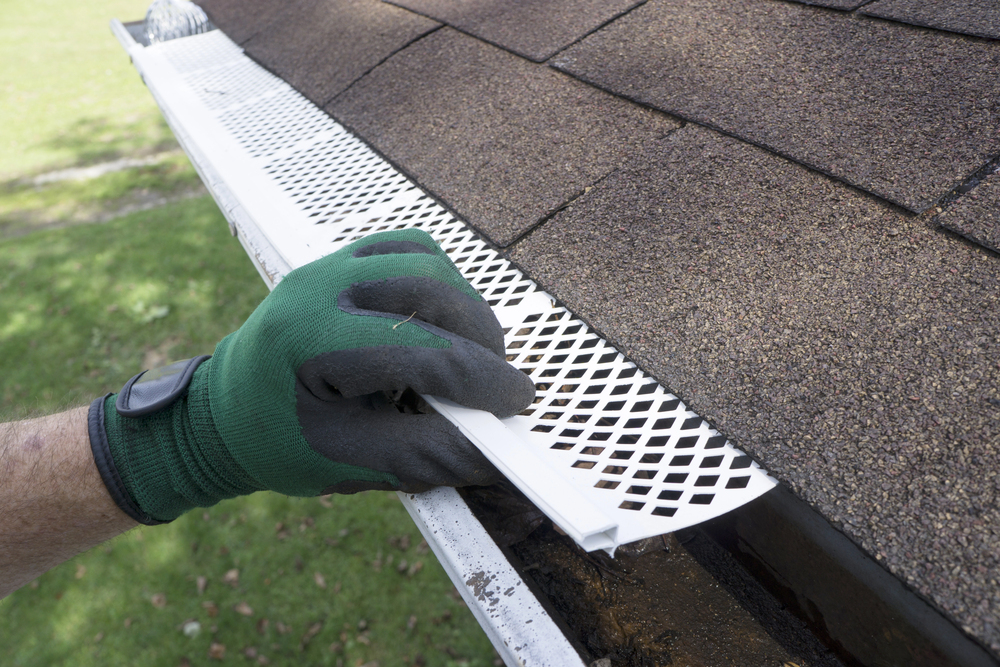
When Is It Time to Replace My Home’s Rain Gutters? Your home’s gutters play an important role in protecting your roof, siding, foundation, and landscaping. While many homeowners do not think about their gutters until there is a problem, a damaged or failing rain gutter system can lead to costly repairs if it is not addressed. For homeowners in Katy, TX, gutters are especially important because heavy rainfall, storms, and changing conditions throughout the year can put additional stress on your home’s drainage system. Knowing the warning signs of gutter damage can help you determine when repairs are enough and when it is time for a replacement. Mend Roofing helps homeowners protect their properties with professional rain gutter replacement services designed to improve water drainage and protect the home from moisture-related damage. What Are the Point of Gutters? The main purpose of rain gutters is to collect water from your roof and direct it away from your home. Without properly functioning gutters, rainwater can run directly off your roof and collect around your foundation, siding, and landscaping. A properly installed gutter system helps: Control water runoff from your roof Protect your home’s foundation Reduce soil erosion around your property Prevent water from damaging siding and exterior walls Protect landscaping from excessive water buildup Help prevent moisture problems around your home Your gutters work together with your roof drainage system to move water safely away from your home. Signs Your Rain Gutters Need to Be Replaced Not every gutter problem requires a full replacement. However, certain issues may indicate that your current gutters are no longer protecting your home effectively. Gutters Are Cracked, Split, or Damaged Small cracks may seem like a minor issue, but they can allow water to escape in areas where it should not. Over time, damaged sections can become larger and reduce the effectiveness of your gutter system. If your gutters have multiple cracks, holes, or visible damage throughout the system, replacement may be a better long-term solution than repeated repairs. Water Is Pooling Around Your Home One of the biggest signs of gutter problems is water collecting near your foundation after rainfall. A properly working gutter system should move water away from your home. If you notice standing water, muddy areas, or erosion near your foundation, your gutters may not be directing water properly. Gutters Are Pulling Away From the Home Gutters that are sagging or separating from the roofline may no longer have the proper support needed to handle water flow. This can happen because of: Loose fasteners Excess water weight Aging materials Damage from storms Poor drainage A gutter replacement can help restore proper alignment and performance. Rust and Corrosion Are Visible Older metal gutters can develop rust over time. Once corrosion begins affecting multiple areas of the gutter system, leaks and structural problems become more likely. Replacing aging gutters can help improve the reliability of your home's drainage system. Water Is Overflowing During Rain If water consistently spills over the sides of your gutters during storms, there may be several possible causes, including: Clogged gutters Improper slope Incorrect gutter size Damage within the system While cleaning may solve some issues, older or damaged gutters may need replacement to handle water flow properly. How Long Do Rain Gutters Last? The lifespan of a gutter system depends on the material, installation quality, maintenance, and exposure to the elements. Many homeowners replace gutters when they begin showing repeated issues such as leaks, sagging, rust, or poor drainage. A professional inspection can help determine whether repairs or replacement make more sense for your home. Should I Repair or Replace My Gutters? Minor problems, such as a loose section or isolated clog, may only require a repair. However, replacing the system may be the better option when problems are widespread. A gutter replacement may be recommended when: The gutters are older and frequently need repairs Multiple sections are damaged Water continues causing drainage problems The gutter system no longer fits your home’s needs Storm damage has affected the system Replacing your gutters provides an opportunity to install a system that better matches your home's drainage requirements. What Is the Average Cost to Replace Your Gutters? The cost to replace gutters depends on several factors, including: The size of your home The amount of gutter material needed The type of gutters selected Installation requirements Removal of the existing system Many homeowners choose options such as seamless gutters because they reduce the number of joints where leaks can develop. The best way to understand the cost of a new gutter system is through a professional evaluation of your home and its drainage needs. Choosing a New Rain Gutter System for Your Home When you decide to buy rain gutter systems for your home, it is important to choose materials and installation methods that fit your property. A properly designed gutter system should consider: Roof size and water flow Local rainfall patterns Proper drainage placement Gutter size and material Long-term maintenance needs Installing the right gutters can help protect your home for years and reduce the risk of water-related repairs. Why Proper Gutters Matter for Katy, TX Homes Homes in Katy experience conditions that can put additional pressure on exterior drainage systems. Heavy storms can quickly overwhelm damaged or undersized gutters, allowing water to collect where it can cause problems. A properly functioning gutter system helps homeowners manage rainfall and protect important parts of their property, including the roof, foundation, siding, and landscaping. Professional Rain Gutter Replacement in Katy, TX Your gutters are a small part of your home, but they provide an important protective function. Ignoring damaged gutters can lead to bigger problems involving water damage, foundation concerns, and exterior repairs. Mend Roofing provides professional gutter solutions for homeowners in Katy, TX. Whether your gutters are damaged, outdated, or no longer managing water properly, our team can help determine the right solution for your home. If you are noticing leaks, sagging gutters, overflow, or other signs of damage, contact Mend Roofing to schedule an evaluation and learn more about rain gutter replacement options for your home.

roof damage from a hurricane in Katy, Texas

Signs Your Roof May Not Be Ready for Hurricane Season

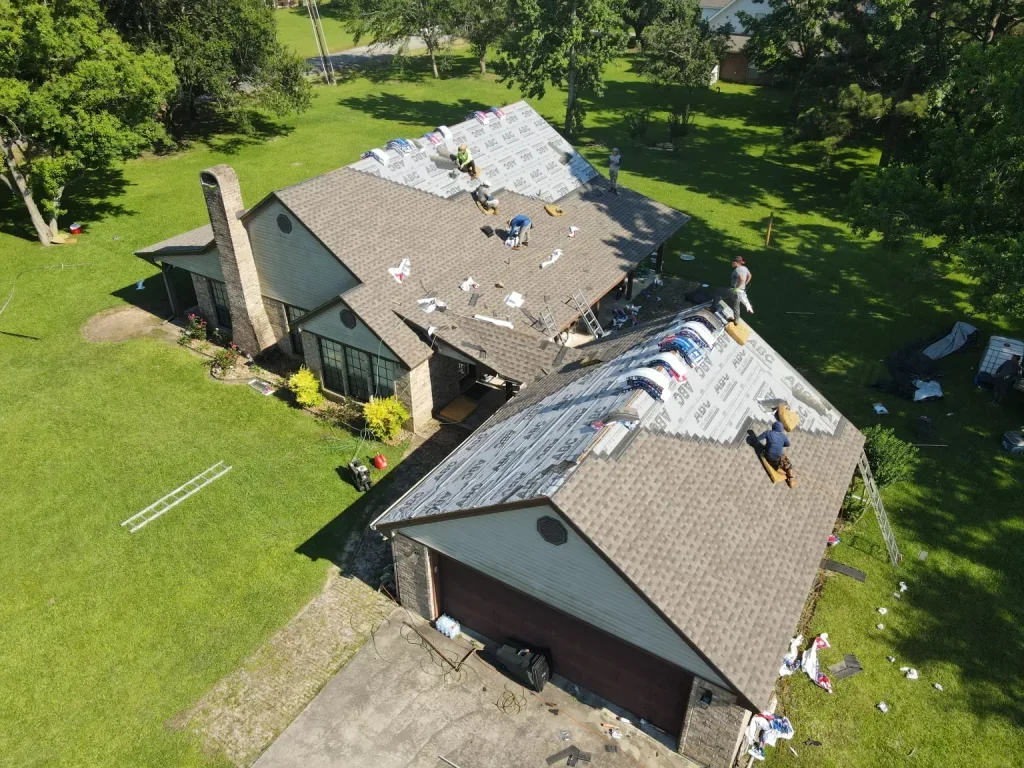
TL;DR: Common signs that a roof may not be ready for hurricane season include missing shingles, cracked or curling shingles, damaged flashing, granule loss, sagging areas, and water stains. Scheduling a roof inspection before hurricane season allows a qualified roofing professional to identify these issues before severe weather arrives. Every hurricane season, Texas homeowners are reminded of just how much their roof matters. High winds, heavy rainfall, and tropical storms can test even a well-maintained roofing system—and for roofs that already have underlying problems, the results can be far more serious. For homeowners in Katy, TX, this is not a hypothetical scenario. The greater Houston area sits in a region that sees frequent tropical weather activity, and properties here face real exposure to storm damage year after year. The time to evaluate your roof is before a storm develops—not after it makes landfall. That's why scheduling a roof inspection before hurricane season is one of the most practical steps a homeowner can take. A qualified roofing professional can assess the condition of your roof, identify concerns you may not be able to see from the ground, and help you understand what repairs, if any, are needed. Mend Roofing works with homeowners across Katy, TX and surrounding areas to do exactly that. Why Should You Inspect Your Roof Before Hurricane Season Begins? Roofing problems rarely appear out of nowhere. In most cases, storm damage is made significantly worse by issues that already existed before the storm arrived. A small gap in flashing, a few missing shingles, or a patch of deteriorating material can become a serious liability when strong winds and heavy rain hit. A roof inspection before hurricane season gives you the opportunity to catch these vulnerabilities early—when they're far easier and less costly to address. Waiting until after a storm causes damage often means dealing with interior water intrusion, structural concerns, and a much larger repair bill. Don't let preparation take a back seat until the season is already underway. Signs Your Roof May Not Be Ready for Hurricane Season What Do Missing Shingles Mean for Your Roof's Protection? Missing shingles are one of the most visible signs that a roof needs attention. When shingles are absent, the underlying decking and materials are left exposed to the elements. During heavy rain, that exposed area can allow water to penetrate the roof system and cause damage to the structure, insulation, and interior of the home. Missing shingles can result from previous wind events, poor installation, or simply aging materials. Regardless of the cause, missing shingles should be evaluated and repaired before storm season begins. A professional can confirm whether targeted repairs are sufficient or whether the surrounding area shows additional signs of wear. How Do Cracked, Curling, or Damaged Shingles Affect Storm Performance? Shingles that are cracking, curling at the edges, or visibly deteriorating are telling you they're losing their ability to perform. These conditions typically indicate that the shingles have aged beyond their effective lifespan, have been exposed to temperature extremes, or were compromised by a prior storm. During high-wind events, shingles in this condition are at greater risk of lifting or being torn away entirely. Once that happens, the rest of the roof becomes vulnerable quickly. Cracked and curling shingles warrant a professional evaluation to determine whether repairs or broader replacement are the appropriate path forward. Why Does Damaged Flashing Lead to Roof Leaks? Flashing is the metal material used to seal roof penetrations—around chimneys, skylights, vents, and where the roof meets walls or other structures. When flashing is loose, corroded, or improperly sealed, these junctions become potential points of water entry. This is a particularly common source of leaks, yet it's easy to overlook without getting up on the roof. During a heavy rainfall event, water can work its way through even a small gap in flashing and cause damage that isn't immediately visible from inside the home. A roofing inspection before hurricane season should always include a close look at all flashing areas. What Does Granule Loss Tell You About Your Roof's Condition? Asphalt shingles are coated in granules that protect the underlying material from UV exposure and weathering. As shingles age, those granules begin to loosen and wash off. You may notice them collecting in gutters or around downspouts. Some granule loss is normal over time. But if you're seeing large accumulations, or if your shingles appear bare or patchy in certain areas, that's a sign the protective layer is significantly depleted. Shingles in this condition are more susceptible to damage when exposed to the heat, wind, and driving rain that accompany tropical weather. Should Sagging Areas on a Roof Be Evaluated Before Storm Season? Any visible sagging in your roofline deserves professional attention. Sagging can indicate a range of underlying conditions—from moisture damage in the decking to more significant structural concerns. It's not possible to determine the cause or extent of the issue without a proper inspection. What's clear is that a sagging roof is not in a position to handle additional stress from wind loads or heavy rain. Identifying and addressing the issue before hurricane season is the responsible course of action. What Are the Signs of Water Damage or Active Roof Leaks? Water stains on ceilings, damp areas in attic spaces, peeling paint near rooflines, or musty odors are all potential indicators of moisture intrusion. In some cases, a slow leak may have been present for some time before it becomes noticeable inside the home. Active leaks should be addressed promptly and should not be left unresolved heading into storm season. What starts as a minor drip can quickly escalate when significant rainfall pushes water through an already compromised area. What Does a Roof Inspection Before Hurricane Season Actually Cover? A thorough pre-season roofing inspection performed by a qualified professional should evaluate: Shingles and roofing materials — condition, coverage, signs of aging or damage Flashing — all sealed joints, penetrations, and transitions Roof penetrations — vents, skylights, and other features that interrupt the roof surface Gutters and drainage — capacity, attachment, and proper water flow away from the structure Visible signs of water intrusion — staining, moisture, or damaged decking Roof edges and eaves — fascia, soffit, and drip edge condition Overall roofing system integrity — a holistic assessment of how the roof is likely to perform under stress The value of a professional inspection is that it goes well beyond what a homeowner can assess from the ground. Trained eyes identify conditions that aren't immediately obvious and can help prioritize what needs attention before storm season arrives. Why Should Homeowners in Katy, TX Prepare Their Roofs Before Hurricane Season? Katy, TX sits in the path of weather systems that can bring sustained high winds, significant rainfall totals, and tropical storm conditions—sometimes with very little warning. Homes in this area may experience multiple significant weather events within a single season. Proactive roof maintenance is the most reliable way for Katy, TX homeowners to reduce their exposure to preventable storm damage. Identifying and repairing vulnerabilities before severe weather arrives means you're not scrambling for emergency repairs during the busiest and most stressful period of the storm season. How Should You Prepare Your Roof for Hurricane Season? A practical hurricane roof preparation checklist includes: Schedule a professional roofing inspection before the season begins Repair or replace any missing shingles identified during the inspection Address any flashing concerns at penetrations, edges, and transitions Clear gutters and downspouts to ensure proper drainage during heavy rain Check the attic and interior for any signs of existing moisture or leaks Trim any tree branches near the roofline that could become a hazard in high winds Document your roof's current condition with photographs before storm season The right preparation steps depend on your roof's specific condition. A professional assessment helps you prioritize where attention is most needed. When Is Roof Repair Not Enough? In some cases, a roof inspection reveals that the cumulative condition of the roofing system—whether due to age, repeated prior damage, or widespread deterioration—makes targeted repairs a short-term solution at best. Factors such as extensive shingle failure across multiple areas, persistent leaks despite prior repairs, or a roof approaching or past its expected service life may warrant a conversation about replacement. A professional evaluation is always the starting point for that conversation. No homeowner should feel pressured into a replacement decision without a clear, honest assessment of the roof's actual condition. Get Your Roof Ready With Mend Roofing Mend Roofing serves homeowners throughout Katy, TX with professional roofing inspections, repairs, and replacements. If you have concerns about your roof's readiness for the upcoming storm season, the time to act is now—before severe weather is in the forecast. Contact Mend Roofing to schedule an inspection and get a clear picture of where your roof stands heading into hurricane season. Get a Roofing Estimate Before Hurricane Season Not sure what roof repairs or replacement might cost? Mend Roofing makes it easy to take the first step. Request a roofing estimate using satellite imagery to get an instant estimate for your roof—no pressure, no obligation. Don't Wait for Storm Damage to Tell You What Your Roof Needed The most common warning signs—missing shingles, cracked or deteriorating materials, compromised flashing, granule loss, sagging, and water intrusion—are all conditions that a professional inspection can identify before they become serious problems. For Katy, TX homeowners, a roof inspection before hurricane season is one of the most straightforward ways to protect your home and reduce your risk ahead of severe weather. Mend Roofing is here to help you get there. Reach out today and give your roof the attention it deserves before storm season arrives. Frequently Asked Questions How many times a year should a homeowner in Katy, TX schedule a roof inspection? Most roofing professionals recommend scheduling an inspection at least once a year, with an additional inspection following any significant weather event. For homeowners in Katy, TX, a pre-season inspection before hurricane season is particularly valuable given the area's exposure to tropical weather systems. What is the difference between roof repair and roof replacement, and how do I know which one I need? Roof repair addresses specific, isolated damage—such as missing shingles, a small leak, or damaged flashing—while replacement involves removing and reinstalling the full roofing system. A professional inspection is the most reliable way to determine which option is appropriate for your roof's current condition. How long does a roof inspection typically take? A standard residential roof inspection generally takes between 45 minutes and a few hours, depending on the size and complexity of the roof. The inspector will assess all major components and provide a summary of any findings. Does homeowners insurance typically cover hurricane-related roof damage? Homeowners insurance policies often cover roof damage caused by wind, hail, or other storm events, though coverage terms vary by policy. Documenting your roof's condition before storm season—and completing any deferred maintenance—can support the claims process if damage does occur.